
Disclaimer: These statements have not been evaluated by the FDA. Taheebo Wellness Tea is not intended to diagnose, treat, cure, or prevent any disease, including candida overgrowth. Candida overgrowth should be diagnosed by a healthcare provider — please consult one before starting any new routine, especially if symptoms persist.
Candida Overgrowth?
Pau d'Arco Tea Might Be the Answer

Ever wonder why you’re feeling sluggish, bloated, or dealing with stubborn skin issues?
Candida may sometimes be part of the picture. Candida is a common yeast that naturally lives in the body. In small amounts it usually coexists peacefully with other microorganisms. But when conditions allow it to grow excessively, it can contribute to a range of symptoms many people mistakenly attribute to everyday stress.
Modern factors such as high sugar diets, frequent antibiotic use, and chronic stress can sometimes create conditions where yeast populations expand more easily.
For generations, traditional herbal practices have used certain plants to support microbial balance. One of the most widely discussed herbs in this context is pau d’arco, also known as Taheebo. According to wellness commentator Dr. Josh Axe, “Taheebo is the number one herb for killing Candida in the world today” — his own characterization, not a clinical or regulatory finding.
Curious to learn more about Taheebo’s traditional use? Let’s get brewing.

What is Candida Overgrowth?
So, what exactly is Candida? Think of it as that one guest at a party who’s great in small doses but can wreak havoc if left unchecked.
Candida is a type of yeast that naturally lives in your body—in places like your mouth, digestive tract, and even on your skin. In balanced amounts it usually exists peacefully alongside other microorganisms and may play a role in normal digestive processes.
Problems can arise when the balance of microbes in the body changes. Under certain conditions Candida can multiply more rapidly, which may lead to uncomfortable symptoms.
Signs and Symptoms of Candida Overgrowth
When Candida overstays its welcome, here’s what you might notice:
-
persistent fatigue
-
bloating or digestive discomfort
-
brain fog or difficulty concentrating
-
mood changes
-
bad breath
-
skin irritation or rashes
-
recurring vaginal or urinary infections
-
chronic sinus issues
-
joint discomfort
-
cravings for sugar or refined carbohydrates
If you're experiencing several of these symptoms, the best first step is talking with a healthcare provider who can test for candida overgrowth rather than self-diagnosing.
Why Candida Overgrowth Happens
Candida thrives when it’s fed—and unfortunately, our modern lifestyles are the perfect fuel. Diets high in sugar and refined carbs, frequent antibiotic use, and chronic stress can throw our gut flora out of whack, giving Candida the green light to take over. Even hormonal imbalances and weakened immune systems can open the door for yeast to set up camp.

Supporting your body's natural balance:
Taheebo Tea and Candida: What the Research Looks At
Rediscovering an ancient remedy can feel like striking gold, and Taheebo Tea is one of those interesting finds. Also known as Pau d’Arco, this tea has deep roots (literally) in South American medicine, where it’s been traditionally used for generations to help address infections and inflammation. Indigenous tribes first discovered the Taheebo tree’s bark, brewing it to help address bacterial and fungal concerns long before the term “superfood” was ever coined. Today, laboratory researchers are studying Taheebo Tea's compounds in connection with Candida, connecting ancient tradition with modern research questions.
Key Compounds
Researchers studying pau d’arco have identified several naturally occurring compounds within the bark.
Among the most discussed are:
- lapachol
- beta-lapachone
These compounds have attracted scientific interest because of their interactions with microbial organisms in laboratory studies.

What the Lab Research Shows
A study in the Brazilian Journal of Biology tested Pau d’Arco’s bark (from the Tabebuia avellanedae tree) on various Candida species in a laboratory setting. Researchers found that a fraction of a milligram of Pau d’Arco extract inhibited several Candida strains in vitro, including Candida albicans, C. krusei, and C. tropicalis. This is test-tube research, not a clinical trial in people.
Another lab study on Taheebo’s key compounds found that lapachol affected Candida’s cellular structure and slowed its growth in vitro, while beta-lapachone acted on its cellular defenses in the same lab setting.
This study looked at immune cell activity in a lab setting, examining how T-cells and white blood cells responded.
In short, this is a genuinely interesting body of laboratory research — but it doesn't establish that drinking the tea treats or eliminates a candida infection in a person.
Traditionally used for gut wellness:
Preparing and Using Taheebo Tea
Why Quality Matters
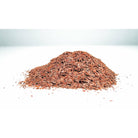
Not all Taheebo Tea is created equal! For the best results, you need tea made from the pure inner bark of the Taheebo tree and in a fine grind. Why? Because the inner bark is where the studied compounds are concentrated. And the fine grind? It allows for a more concentrated brew.

Brewing Instructions
Traditional pau d’arco tea is prepared using a decoction, meaning the bark is boiled rather than steeped.
Basic method:
-
Add 3 tablespoons of Taheebo inner bark to 4½ cups of water
-
Bring to a boil
-
Maintain a gentle rolling boil for 25 minutes
-
Strain the tea
You can see the full brewing guide here:
https://taheebo-tea.com/pages/taheebo-wellness-tea-pau-d-arco-brewing-instructions
A Note on Serving Amounts
This reflects how some customers have described using the tea day to day — it isn't a clinical treatment protocol for a diagnosed condition. Many people start with one to two cups a day and adjust gradually to their own tolerance, rather than following a fixed schedule. If you're managing a suspected or diagnosed candida overgrowth, work with a healthcare provider on an actual treatment plan; Taheebo tea is not a substitute for that care.
Adjusting as You Go
Some people report feeling temporarily worse (headaches, fatigue, body aches) when making dietary or herbal changes generally — sometimes called "die-off" in wellness discussions, though this isn't a clinically defined phenomenon specific to Taheebo. If you notice this, easing up on how much you're drinking for a day or two, then gradually working back up, is a reasonable approach. If symptoms are significant or persistent, check with a healthcare provider.
If you want to learn more about possible reactions when starting pau d’arco tea, read our guide on pau d’arco tea side effects.
Other Traditional and Researched Uses of Taheebo Tea
Taheebo Tea's traditional use and research base go beyond candida support.
Laboratory research has looked at lapachol and beta-lapachone for anti-tumor, anti-metastatic, and anti-angiogenic activity in cell and animal models — laboratory findings, not evidence of an effect in a person drinking tea.
Both compounds have also been studied in the lab against bacteria associated with staph infections as well as viruses like herpes. Taheebo is traditionally used to support general immune function as part of a daily wellness routine.
Traditionally, Taheebo (or T. impetiginosa) has been used for centuries to address a range of concerns, from easing arthritis pain to managing colitis and prostatitis.
Caribbean folk healers used it for everything from toothaches to backaches, and even sexually transmitted infections. The Callaway Tribe made concentrated Taheebo brews to soothe skin inflammation. Brazilian traditional healers used Taheebo for its pain-relieving properties and to counter snake venom. These are historical/traditional uses, not clinical claims about what the tea does today.
Potential Benefits for Gut Health
Your gut does so much more than digest food; it’s a central player in your overall wellness. Some people use Taheebo Tea as part of supporting a healthy gut flora balance. By maintaining this balance, you’re setting yourself up for better nutrient absorption, more energy, and even clearer skin.
Who Should Avoid Taheebo Tea?
While Taheebo Tea has a long history of traditional use, it’s not for everyone. If you’re on blood-thinning medication or scheduled for surgery, it’s best to steer clear since Taheebo has mild blood-thinning effects. Pregnant or breastfeeding? This tea isn’t recommended for you either unfortunately. Those with kidney or liver conditions should also consult a healthcare professional before adding Taheebo to their routine. When in doubt, it’s always wise to check with your doctor to make sure Taheebo is the right choice for your wellness routine.
Candida Testimonials and Customer Experiences

~ Renowned Taoist Herbalist + Health Coach
When I discovered the true power of Pau d’ Arco, I had been on and off antibiotics for seven years, and socially drinking alcohol many nights a week. And over those years, gradually eating more and more carbs and sugar, without really realizing it. That is a good recipe for candida, an opportunistic overgrowth of bad yeast and fungus in your body. That is also a good recipe for chronic fatigue syndrome, from chronic virulent levels of systemic yeast, draining your adrenals from inflammation. Taheebo was the first miracle in my long battle with candida. The first day I drank two liters of tea and all my brain fog, fatigue, aching numbness, vanished for a day. I felt completely cured of chronic fatigue for one day, every time I drank this tea. It was miraculous. So I drank it every day for one year, and it was the only way I could get out of bed, and keep my job, at that time in my life. I feel it saved my life from candida, and virtually lethal amounts of fungus in my body. I have since found some other people, who had the same miraculous reaction from Taheebo. After asking them more questions, they too were living with really high levels of yeasts and fungi in their body, and just did not know it.
~ SV
~ Bart
I’ve been drinking 1-2 cups of strong tea per day. I make it at least triple strength. I’ve had problems with candida overgrowth and likely gut bacterial community issues that probably go back to intense childhood antibiotics to stop ear infections. Ramping up the tea strength and dosage has pulled my symptoms way back and I’m now looking to find the right maintenance dose, having also cut out sugars and alcohol.
Read more customer Candida Testimonials
Final thoughts
If you're looking to support your overall wellness and are curious about traditional herbal approaches, Taheebo Tea has a long history and a growing body of laboratory research behind it. With its traditionally-used antifungal properties and immune-supporting reputation, this tea has earned a following among people serious about their health — though it isn't a substitute for diagnosing or treating candida overgrowth with a healthcare provider.
Want to see what the buzz is all about?





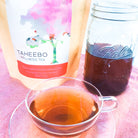




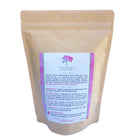

☕ MAKES 100 CUPS OF TEA
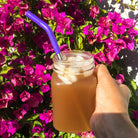
One pouch brews 100 cups of wellness
$0.41 per cup {or $0.36 per cup when you purchase 2+ pouches}
🏷️ BUY MORE SAVE MORE
Buy 5 get $10 OFF
Buy 6 get $15 OFF
🚚 FREE US SHIPPING
On orders of 2 or more pouches
✈️ DISCOUNTED INTERNATIONAL SHIPPING
❤️ 7000+ HAPPY CUSTOMERS WORLDWIDE
Disclaimer: These statements have not been evaluated by the FDA. Taheebo Wellness Tea is not intended to diagnose, treat, cure, or prevent any disease.
Traditionally used to support the immune system, gut health, and overall wellness.
Each 1lb pouch makes 100 cups of pure Pau d’Arco inner bark tea for just $0.44 per cup. This is the same tea Julien added to his daily wellness routine after being diagnosed with advanced cancer, alongside his medical treatment — read what the cancer research actually shows. This isn't a claim that Taheebo tea treats or cures cancer.
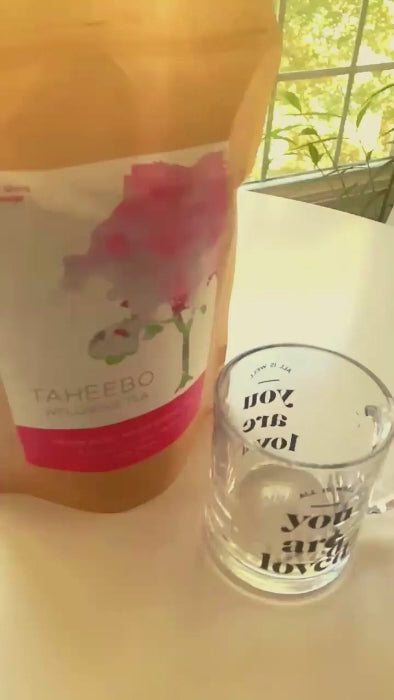
Our Taheebo Wellness Tea is third-party tested for authenticity and purity—pure inner bark from Brazil with no additives or fillers.
Taheebo Tea has been used as a wellness tea for centuries in South America. Traditional use and laboratory research have centered on its antifungal, antibacterial, and anti-inflammatory properties, and for generations it's been valued to support the immune system, circulation, and digestion.
Our Taheebo Wellness Tea is the inner bark of the Tabebuia impetiginosa/avellanedae species of the Taheebo tree (aka Pau d’Arco tree) from Brazil.
Our CLASSIC FINE GRIND tea is our original grind, not commonly found on the market today. When brewed properly, this grind brews a stronger and more potent Taheebo Tea than preparations made with the cut and sift (C/S) styles of tea (see our Coarse Cut Tea). Therefore, you need to use less Taheebo Wellness Tea to prepare a concentrated tea.
We recommend our Fine Grind for a more concentrated brew. With Fine Grind tea, you can drink fewer cups per day than Coarse Cut. A fine mesh filter is recommended for this style.
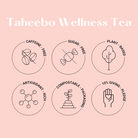
Taheebo Tea is caffeine-free, sugar-free, and vegan.
One 1 lb. pouch of Taheebo Wellness Tea makes 25 quarts of tea = 100 cups
If you drink one cup per day, one pouch lasts 100 days
If you drink two cups per day, one pouch lasts 42 days
If you drink three cups per day, one pouch lasts 28 days
*Pregnant women should avoid using this product. Always consult a licensed healthcare practitioner before using new supplements, especially if you are currently on any other medications.


Quality
Our tea is third-party inspected for authenticity (correct tree species), purity, and contaminants (no presence or parasites, chemicals or heavy metals). Our partner is one of the top botanical companies in Brazil. The Brazilian Ministry of the Environment, IBAMA, also inspects and certifies the authenticity of our tea. Upon arrival in the USA, the tea is inspected once again by US Customs and the FDA.
Our customers love Taheebo Wellness Tea! Read their testimonials here.
Resources
Helpful references on Taheebo / Pau d’Arco:
Pau d’Arco — About Herbs - Memorial Sloan Kettering Cancer Center
The Tropical Plant Database: Pau d’Arco - Rain-tree.com
What the research actually shows - Taheebo Wellness Tea research review
Research articles on Taheebo/Pau d’Arco - PubMed/Medline.
Brewing
Follow our brewing instructions here for our finely ground Taheebo Wellness Tea.
Shipping
We ship our Taheebo Wellness Tea worldwide* from North Carolina. Orders ship the next business day.
USA
Orders for a single pouch of tea will ship for a Flat Rate of $5 for US addresses.
Orders of 2 to 6 pouches will SHIP FREE to the US! This way, you can enjoy your favorite wellness tea without worrying about shipping costs.
We use USPS Ground Advantage which delivers within 1-5 business days in the continental US.
For faster shipping, we recommend choosing USPS Priority which delivers within 1-4 business days within the continental US
For destinations outside the US*, we have several shipping options:
USPS Priority, International Parcel Post, DHL, UPS Standard or UPS Worldwide Expedited.
Please note that choosing UPS Standard may incur additional customs and brokerage fees upon delivery.
We recommend using USPS Priority or UPS for destinations outside the US*. While International Parcel Post is lower in cost, this shipping method takes longer and does not offer detailed tracking. Items shipped via Parcel Post are not insured and will not be replaced if lost, stolen, or damaged.
UK
(*) Due to the complexity of taxation in the UK we have had to pause shipping to this country.
Sustainability
Everything that comes with your Taheebo Wellness Tea is compostable or recyclable. Our tea pouches are made from 100% compostable materials and can be safely composted like any other organic waste. Our shipping boxes and labels are made from 100% recycled content. Please consider first reusing or repurposing your packaging.
For educational purposes only. This information has not been evaluated by the Food and Drug Administration. This information is not intended to diagnose, treat, cure, or prevent any disease.
